Complete Overview of Lung Cancer CT Scan: A Critical Tool in Modern Medical Diagnostics
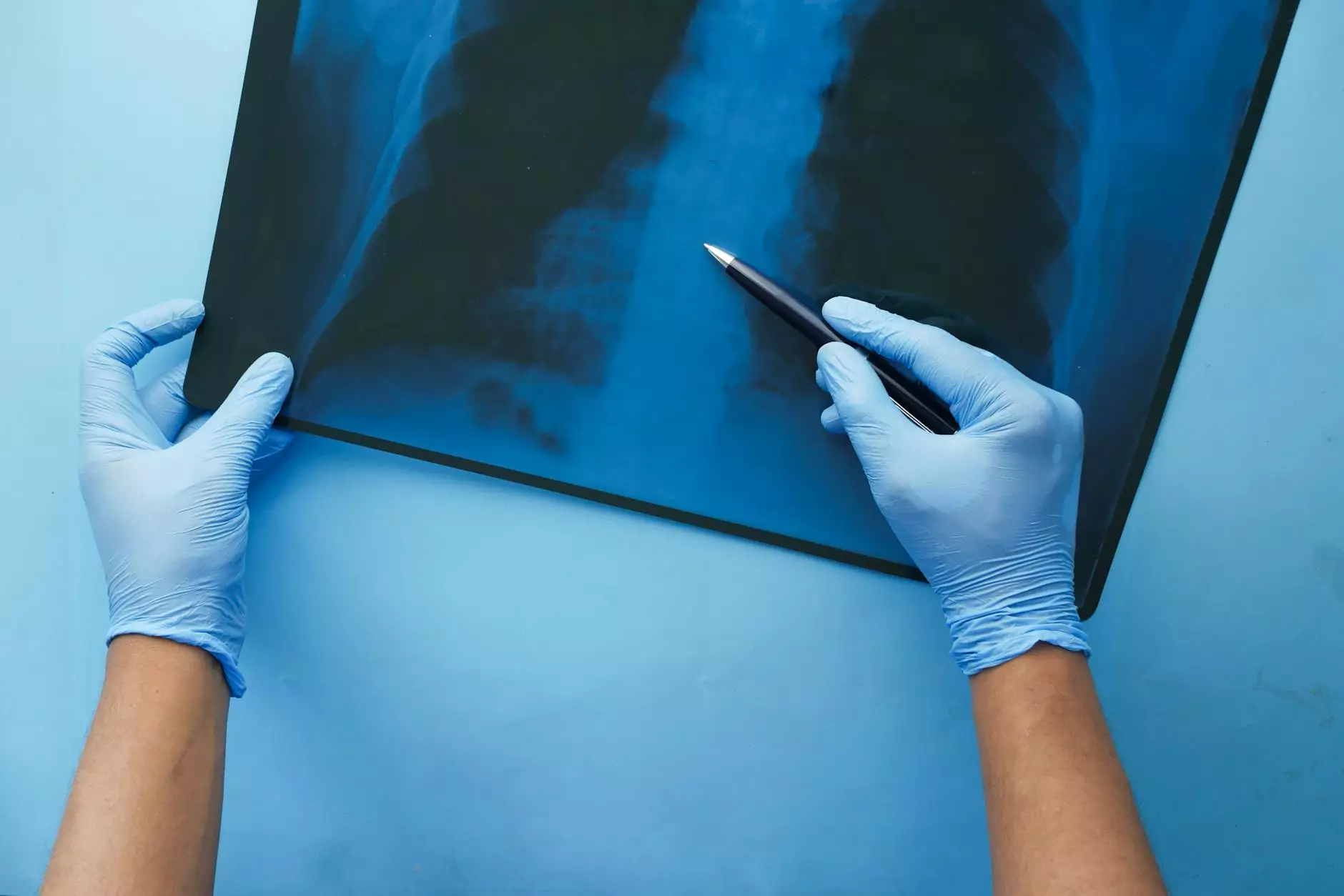
In the realm of health & medical advancements, diagnostic imaging techniques have revolutionized the way clinicians approach complex and potentially life-threatening diseases. Among these, the lung cancer CT scan stands out as one of the most pivotal tools in early detection, accurate diagnosis, and effective treatment planning. As lung cancer remains one of the leading causes of cancer-related mortality worldwide, leveraging cutting-edge imaging modalities like the CT scan is indispensable for healthcare providers and patients alike. This comprehensive guide will delve into the importance of lung cancer CT scans, their technology, procedure, benefits, and how they fit within the spectrum of sports medicine and physical therapy when managing patients with respiratory or oncological health concerns.
Understanding Lung Cancer and the Need for Advanced Imaging
Lung cancer develops when abnormal cells grow uncontrollably in lung tissues, often remaining hidden until they reach an advanced stage. Early detection significantly improves the prognosis and survival rate, making timely and precise diagnostic tools essential. Traditional methods such as X-rays provide preliminary assessments but are often insufficient for detailed evaluation. Therefore, clinicians turn to the lung cancer CT scan for its unparalleled ability to provide comprehensive, high-resolution images of the thoracic cavity.
What is a Lung Cancer CT Scan? An In-Depth Explanation
A lung cancer CT scan, also known as a computed tomography scan, is a sophisticated imaging technique that combines multiple X-ray images taken from different angles to generate cross-sectional slices of the lungs and chest. This detailed visualization allows physicians to identify small nodules, irregularities, and lesions that may indicate the presence of malignant or benign growths.
How a Lung Cancer CT Scan Works
- The patient lies on a motorized table that slides into a doughnut-shaped machine called a CT scanner.
- The scanner emits a series of X-ray beams around the chest, capturing images from various angles.
- Advanced computer algorithms reconstruct these images into detailed cross-sections.
- These slices provide a layered view of the lungs, enabling precise localization and characterization of suspicious findings.
Differences Between Standard X-Ray and CT Scan
While traditional chest X-rays are quick and cost-effective, they often lack the resolution necessary to detect early or small lung abnormalities. Conversely, a lung cancer CT scan offers superior sensitivity and specificity, capable of revealing nodules as small as 1-2 millimeters, which are often invisible on X-rays. This precision facilitates early interventions that can significantly improve patient outcomes.
The Role of Lung Cancer CT Scans in Early Detection and Screening
One of the most significant advantages of lung cancer CT scans lies in their capacity for early detection, particularly in high-risk populations such as smokers, ex-smokers, and individuals with a family history of lung cancer. Several screening programs worldwide integrate low-dose CT scans as a standard approach, recognizing their role in reducing mortality rates.
Low-Dose CT Scanning: Safety and Efficacy
Modern lung cancer CT scans utilize low doses of radiation, balancing safety concerns with diagnostic efficacy. These scans are designed to minimize radiation exposure while maintaining image quality, making them suitable for routine screening sessions. Studies have demonstrated that low-dose CT screening can reduce lung cancer mortality by detecting cancers at an earlier, more treatable stage.
Screening Guidelines and Recommendations
- Adults aged 50-80 with a 20 pack-year smoking history.
- Current smokers or those who have quit within the past 15 years.
- Individuals with no symptoms but high risk factors, as recommended by the United States Preventive Services Task Force (USPSTF) and other health authorities.
Diagnostic Value of Lung Cancer CT Scans in Confirming and Staging Cancer
Once a suspicious nodule or lesion is identified, a lung cancer CT scan provides detailed information crucial for confirming malignancy. Advanced imaging helps distinguish benign from malignant masses based on size, shape, location, and density. Additionally, CT scans facilitate accurate staging of lung cancer, determining whether it has spread to lymph nodes or other organs.
Assessing Tumor Characteristics
- Size and volume of the tumor.
- Presence of calcifications or necrosis.
- Growth patterns over serial scans.
Staging and Treatment Planning
Precise staging via lung cancer CT scans informs surgeons, oncologists, and radiation therapists in devising tailored treatment strategies. It enables determination of whether surgery, chemotherapy, radiotherapy, or targeted therapies are appropriate, ultimately improving prognosis and quality of life for patients.
Advancements in CT Technology and Future Directions
The field of lung cancer CT scanning continues to evolve with innovations that enhance accuracy and patient safety. Some notable advancements include:
- Dual-energy CT: Allows better tissue differentiation and characterization of nodules.
- Artificial Intelligence (AI): Machine learning algorithms assist radiologists in identifying subtle findings and predicting malignancy risk.
- 3D Reconstruction: Provides immersive views of lung structures for surgical planning or targeted interventions.
Integration of Lung Cancer CT Scanning in Holistic Patient Care: Beyond Diagnosis
While primarily used for diagnosis and staging, lung cancer CT scans also play vital roles in:
- Monitoring treatment response over time, assessing reduction in tumor size.
- Detecting recurrence post-treatment.
- Guiding minimally invasive procedures such as biopsies or ablations.
Furthermore, in the context of physical therapy and sports medicine, understanding pulmonary health through imaging aids in designing tailored rehabilitation programs for patients recovering from lung surgeries or managing chronic respiratory conditions. On this front, multidisciplinary collaboration enhances overall patient outcomes and quality of life.
Why Choose Professional and Experienced Imaging Centers for Lung Cancer CT Scans?
Choosing a reputable medical facility with advanced lung cancer CT scan capabilities ensures:
- Accurate Image Acquisition with state-of-the-art equipment.
- Highly skilled radiologists and medical personnel interpreting results precisely.
- Minimal patient discomfort and safety with low-dose protocols.
Conclusion: The Critical Importance of Lung Cancer CT Scan in Modern Medicine
The lung cancer CT scan is undeniably one of the most consequential tools available in contemporary health & medical diagnostics. It empowers healthcare providers to detect lung cancer at its earliest stages, accurately stage the disease, and plan effective treatment strategies—ultimately saving lives and improving patient outcomes. As technology advances further, the integration of AI and high-resolution imaging promises even greater precision and safety.
For those at high risk or experiencing symptoms, early screening with a lung cancer CT scan can be the difference between timely intervention and late-stage diagnosis. Recognizing the importance of comprehensive diagnostics underscores the need for specialized imaging centers, like those provided by Hello Physio within our Health & Medical, Sports Medicine, and Physical Therapy services—dedicated to offering top-tier imaging and patient-centered care.
Take Action Today
If you believe you are at risk for lung cancer or require a screening, consult with healthcare professionals to learn more about lung cancer CT scan options and schedule a consultation. Early detection is essential, and with the latest imaging technology, achieving better health outcomes has never been more attainable.