Unlocking the Future of Industry with Industrial UAV Technology
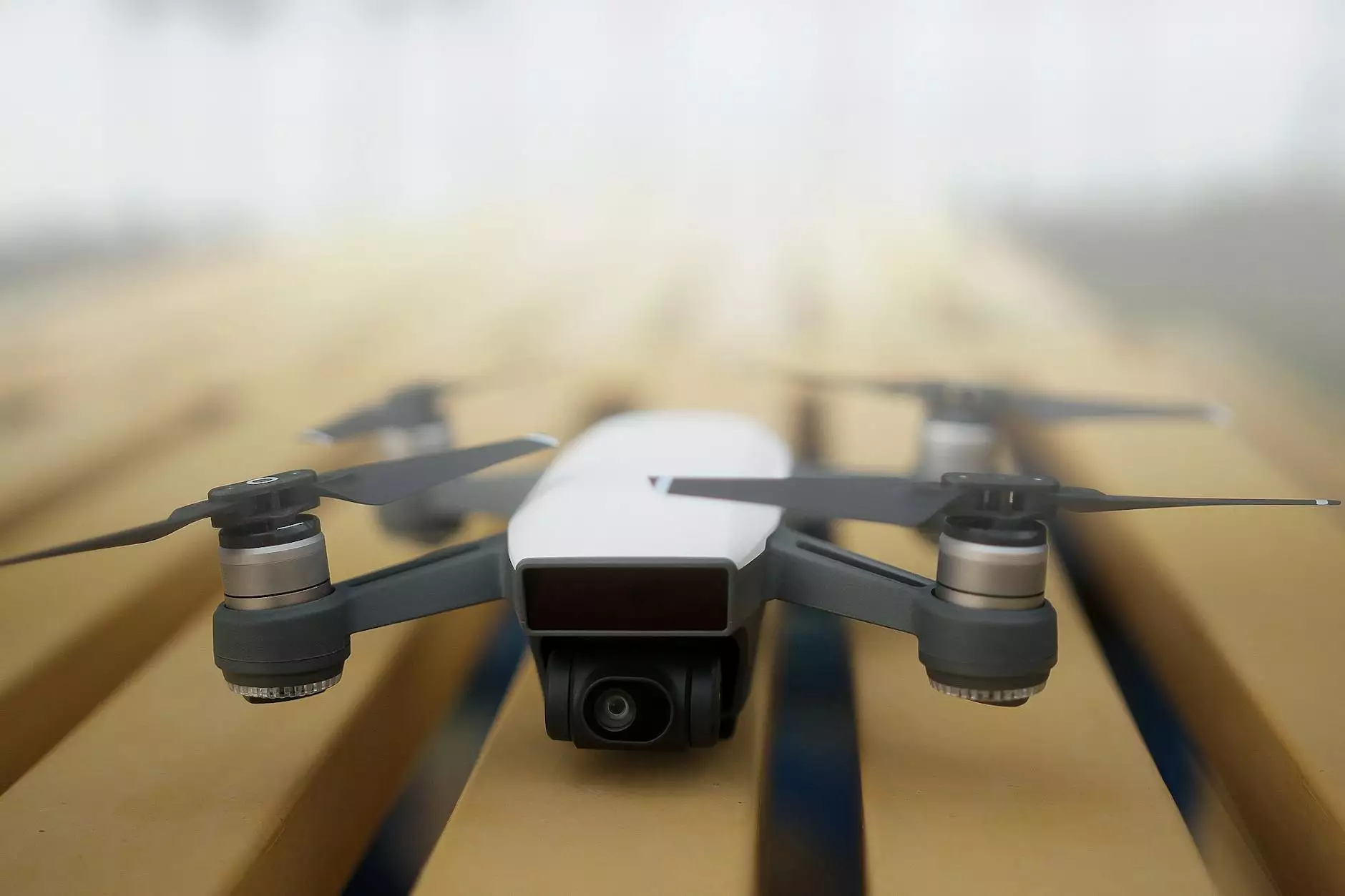
In recent years, unmanned aerial vehicles (UAVs), commonly known as drones, have transitioned from recreational gadgets to powerful tools that are transforming industries. Industrial UAVs, a specialized segment of drone technology, are at the forefront of this revolution, offering unprecedented capabilities in aerial data collection, inspection, surveillance, and logistical operations. As businesses seek innovative solutions to increase efficiency, reduce costs, and improve safety, the adoption of industrial UAVs has become a game-changer across diverse sectors.
Understanding the Rise of Industrial UAV in Modern Business
The evolution of industrial UAVs is driven by rapid technological advancements in electronics, imaging sensors, navigation systems, and telemetry. These sophisticated devices are tailored to meet the rigorous demands of industrial applications, boasting features such as extended flight times, robust payload capacities, and precise autonomous operation capabilities.
Traditionally, tasks like infrastructure inspection, agricultural surveying, search and rescue operations, and environmental monitoring relied on manual labor which was often dangerous, time-consuming, and costly. The integration of industrial UAVs has revolutionized these processes, providing safer, faster, and more economical alternatives.
The Significance of Drones in Various Industries
With the advent of industrial UAVs, businesses across multiple sectors are experiencing transformative benefits. Some of the key industries leveraging drone technology include:
- Construction: For site surveys, progress monitoring, and safety inspections.
- Agriculture: Precision farming, crop health analysis, and resource optimization.
- Energy: Inspection of wind turbines, solar panels, oil rigs, and power lines.
- Mining and Excavation: Land surveying, stockpile measurements, and environmental assessment.
- Telecommunications: Tower inspections and network expansion planning.
- Public Safety and Emergency Response: Search and rescue missions, disaster management, and surveillance.
Core Features and Technologies Behind Industrial UAV
Modern industrial UAVs are distinguished by their advanced features, which include:
- Extended Flight Duration: Battery innovations and efficient power management enable longer operational periods, essential for large-scale projects.
- Heavy Payload Capacity: The ability to carry sophisticated sensors, thermal cameras, LiDAR systems, and other specialized equipment.
- Autonomous Navigation: GPS-guided flight planning, obstacle avoidance, and collision detection for safe operation in complex environments.
- High-Resolution Imaging and Sensors: Multispectral, thermal, and optical sensors deliver detailed data critical for analysis and decision-making.
- Rugged Design and Weather Resistance: Built to withstand harsh industrial environments with durability and reliability.
- Data Integration and Analysis: Seamless integration with enterprise software platforms for real-time data processing and analytics.
Transformative Applications of Industrial UAV in Business
The versatility of industrial UAV technology opens numerous avenues for enterprise innovation. Here, we explore the most impactful applications:
1. Infrastructure Inspection and Maintenance
Traditional inspection methods involve significant manual labor, often exposing workers to dangerous heights or inaccessible areas. Industrial UAVs enable remote inspection of oil rigs, bridges, power lines, pipelines, and wind turbines with high precision and minimal risk. Thermal imaging and high-resolution cameras help detect anomalies such as corrosion, leaks, or structural weaknesses, facilitating proactive maintenance and reducing downtime.
2. Precision Agriculture and Crop Monitoring
By deploying industrial UAVs equipped with multispectral sensors, farmers can obtain detailed insights into crop health, soil conditions, and water stress. This technology allows for targeted interventions—such as precise pesticide application and irrigation—optimizing yield and reducing resource wastage. The data collected also aids in planning harvests and improving overall farm management practices.
3. Land and Topographical Surveying
In mining, construction, and urban planning, accurate topographical data is essential. Industrial UAVs with LiDAR sensors provide detailed 3D maps quickly and accurately, replacing traditional survey methods that are labor-intensive and time-consuming. These surveys support decision-making, legal compliance, and environmental management.
4. Disaster Management and Search & Rescue
During natural disasters or emergencies, rapid assessment is crucial. Industrial UAVs can access hazardous or inaccessible terrains, providing real-time images and thermal data to first responders. This accelerates rescue efforts, supports evacuation planning, and assists in damage assessment.
5. Environmental Conservation and Monitoring
Protecting ecosystems requires consistent monitoring of wildlife, forests, wetlands, and protected areas. UAVs facilitate non-intrusive surveillance, helping researchers track animal populations, detect illegal logging, and assess environmental changes over time.
6. Logistics and Delivery Solutions
The future of industrial UAVs also includes autonomous delivery in industrial sites, warehouses, and even remote communities. This technology promises faster delivery times, reduced transportation costs, and increased operational efficiency.
The Business Benefits of Incorporating Industrial UAVs
Implementing industrial UAVs offers numerous strategic advantages for companies aiming to stay competitive:
- Cost Savings: Reduced labor, equipment, and downtime significantly lower operational expenses.
- Enhanced Safety: Minimized human exposure to hazardous environments.
- Improved Data Accuracy: High-precision sensors and analytics enable better decision-making.
- Faster Project Completion: Swift deployment and data collection accelerate workflows.
- Environmental Benefits: Reduced need for heavy machinery and transportation cuts carbon footprint.
- Regulatory Compliance: Accurate documentation and monitoring help meet safety and environmental standards.
Choosing the Right Industrial UAV Solution
When selecting an industrial UAV system, consider the following factors:
- Application Specific Features: Need for thermal, multispectral, LiDAR, or high-resolution cameras.
- Payload Capacity: Ability to carry necessary sensors and equipment.
- Flight Time and Battery Life: Extended operations for large areas.
- Autonomous Capabilities: GPS-guided flight, obstacle avoidance, and fail-safes.
- Durability and Weather Tolerance: Resistance to wind, rain, and dust.
- Data Handling and Integration: Compatibility with enterprise software and cloud storage solutions.
Partnering with reputable providers like a-drones.com ensures access to reliable, cutting-edge industrial UAV technology and expert support.
Future Trends in Industrial UAV Technology
The landscape of industrial UAVs is constantly evolving, driven by innovations in AI, machine learning, and battery technology. Future trends include:
- Autonomous Swarms: Coordinated drone fleets working together to cover large areas efficiently.
- AI-Powered Data Analysis: Automated detection of anomalies and predictive maintenance insights.
- Extended Range and Endurance: Breakthroughs in battery and propulsion systems for longer flights.
- Miniaturization and Specialization: Smaller drones tailored for specific applications with increased agility.
- Regulatory Frameworks: Growing standards and policies to facilitate safe commercial deployment.
Conclusion: Embracing the Power of Industrial UAV in Business Growth
In a rapidly digitalizing world, industrial UAVs are not just a technological trend—they are a critical component of modern business strategy. Their ability to enhance operational efficiency, improve safety, and reduce costs empowers companies to gain a competitive advantage in their respective fields. As technology continues to advance, the integration of industrial UAVs will become increasingly indispensable, shaping the future of industry and transforming how businesses operate on a global scale.
If you're seeking to elevate your business with cutting-edge drone solutions, visit a-drones.com. We offer comprehensive electronics, IT services, computer repair, and the latest drones, including specialized industrial UAVs, to meet your enterprise needs.