The Advantages of Using a Second Hand Products Site for Your Business
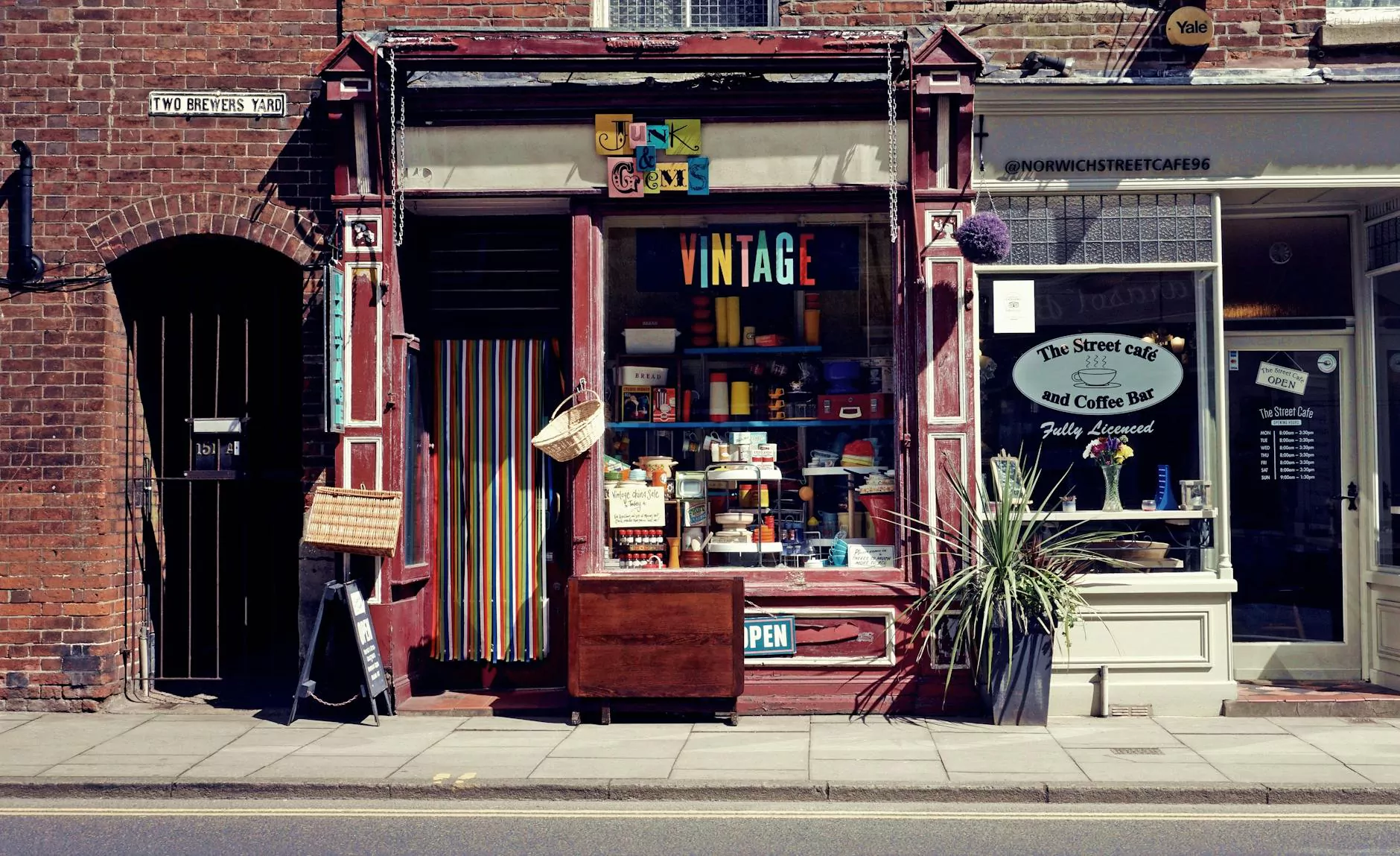
In today's fast-paced and ever-evolving market, businesses are constantly seeking ways to enhance their offerings while keeping overhead costs low. One innovative approach that has gained traction is leveraging a second hand products site to find unique and cost-effective inventory. This article delves into the myriad of benefits that arise from this approach and offers insights on how you can implement it effectively in your business strategy.
Understanding the Shift Towards Sustainability
In recent years, the concept of sustainability has shifted from being a trend to a necessity. Customers today are more environmentally conscious than ever, seeking brands that align with their values. By utilizing a second hand products site, businesses can not only meet customer demands but also contribute positively to the planet. Here are some ways integrating second-hand products can enhance your brand's sustainability:
- Reduction of Waste: Purchasing second-hand items helps reduce the amount of waste that ends up in landfills. Instead of buying new products that require extensive manufacturing, sourcing used items promotes recycling.
- Lower Carbon Footprint: The transportation and manufacturing of new products contribute significantly to carbon emissions. By opting for second-hand products, businesses can minimize their carbon footprint.
- Supporting Circular Economy: Investing in used goods supports a circular economy, where products are reused and recycled, leading to more sustainable consumption patterns.
Cost-Effectiveness of Second Hand Products
One of the primary benefits of a second hand products site is the substantial cost savings. Here’s how sourcing second-hand goods can help keep your costs low:
- Lower Purchase Prices: Products on second-hand platforms are typically sold at a fraction of their original price. This allows your business to acquire quality inventory without straining your budget.
- Enhanced Profit Margins: By acquiring affordable inventory, you can either maintain competitive pricing for your customers or maximize your profit margins.
- Flexibility in Inventory: With the savings generated from purchasing used products, businesses can increase their inventory variety without a significant financial risk.
Finding Unique and Rare Items
Another significant advantage of using a second hand products site is the potential to discover unique and rare items that are not available in traditional retail outlets. This uniqueness can set your business apart from the competition:
- One-of-a-Kind Products: Each piece sourced from a second-hand platform often has its own story, making it special. Customers love unique items that add character to their lives.
- Vintage and Antique Finds: Incorporating vintage or antique products can attract a niche audience willing to pay a premium for authenticity.
- Trendy Collaborations: Partnering with local thrift shops or vintage stores to showcase their inventory on your platform can also be beneficial. This not only boosts your product range but also strengthens community ties.
Building Stronger Customer Relationships
Effectively utilizing a second hand products site can significantly improve your relationship with customers. Here’s how:
- Transparency: Emphasizing the story behind second-hand products can forge an emotional connection with customers. Transparency about sourcing and product history builds trust.
- Engagement and Community Building: Creating a community around sustainability and second-hand goods can foster customer loyalty. Regularly engaging your audience through social media and newsletters can keep them informed and excited about new arrivals.
- Feedback and Improvement: Customers appreciate when their feedback is integrated into the business model. Asking for their opinions on new second-hand products gives them a voice, leading to a stronger sense of belonging.
Marketing Strategies for a Second Hand Products Site
Implementing a second hand products site requires careful marketing to ensure it reaches the intended audience. Here are key strategies to consider:
1. Utilize SEO Effectively
Search Engine Optimization (SEO) is critical for driving traffic to your site. Here are some tips to enhance your SEO strategy:
- Keyword Research: Identify relevant keywords such as “second hand items,” “thrift shopping,” and other long-tail keywords related to your niche.
- High-Quality Content: Regularly publish engaging blog posts that revolve around your niche. Share tips, stories, and the benefits of buying second-hand to attract organic traffic.
- Backlinks: Establishing relationships with bloggers in the second-hand community can help in generating backlinks to your site, boosting your credibility and ranking.
2. Social Media Engagement
Leveraging social media allows you to connect with your audience directly:
- Visual Platforms: Use platforms like Instagram and Pinterest to showcase your unique products visually. High-quality images of second-hand items can attract attention.
- User-Generated Content: Encourage customers to share photos of their purchases. This not only provides social proof but also engages your audience.
- Targeted Ads: Invest in social media advertising to reach wider demographics interested in eco-friendly and unique products.
3. Email Marketing
Email marketing is a formidable tool for engaging with customers. Here are ways to utilize it effectively:
- Newsletters: Create informative newsletters that showcase new arrivals, share sustainability tips, and provide updates about your business.
- Exclusive Offers: Send personalized discounts or offers to loyal customers to encourage repeat purchases.
- Customer Stories: Highlight stories or testimonials from customers to create community engagement.
Challenges of a Second Hand Products Site and How to Overcome Them
While there are numerous benefits to using a second hand products site, there are challenges that must be navigated:
1. Product Quality Control
Ensuring the quality of second-hand products is vital. Implementing rigorous quality checks and providing thorough descriptions can help mitigate this concern. Consider the following:
- Inspection Processes: Establish a standard inspection checklist to evaluate the condition of products before listing them for sale.
- Customer Education: Clearly communicate the condition of used items to set realistic expectations for customers.
2. Marketing Perception
Some consumers may have a negative perception of second-hand goods. Addressing this requires strategic communication:
- Highlight Value: Focus on the uniqueness, sustainability, and savings associated with second-hand products.
- Social Responsibility: Promote your business as a champion for sustainability. Showing customers how their purchases contribute to environmental efforts can enhance their perception.
3. Inventory Management
Maintaining an effective inventory system is essential for success:
- Systematic Tracking: Use inventory management software to track sales and stock levels accurately.
- Demand Forecasting: Stay ahead of market trends to predict what second-hand products might be popular among consumers.
Conclusion
Utilizing a second hand products site is not just a smart business strategy; it’s a step towards a more sustainable future. The benefits—ranging from cost savings to environmental impacts—are compelling reasons to consider this approach seriously. By effectively marketing and managing this unique inventory, businesses can thrive while fostering a culture of sustainability and community engagement. Embracing second-hand products not only enhances your offerings but also reflects a commitment to a better world for future generations.