Transforming Spaces with Site-specific Light Art: The Future of Arts & Entertainment
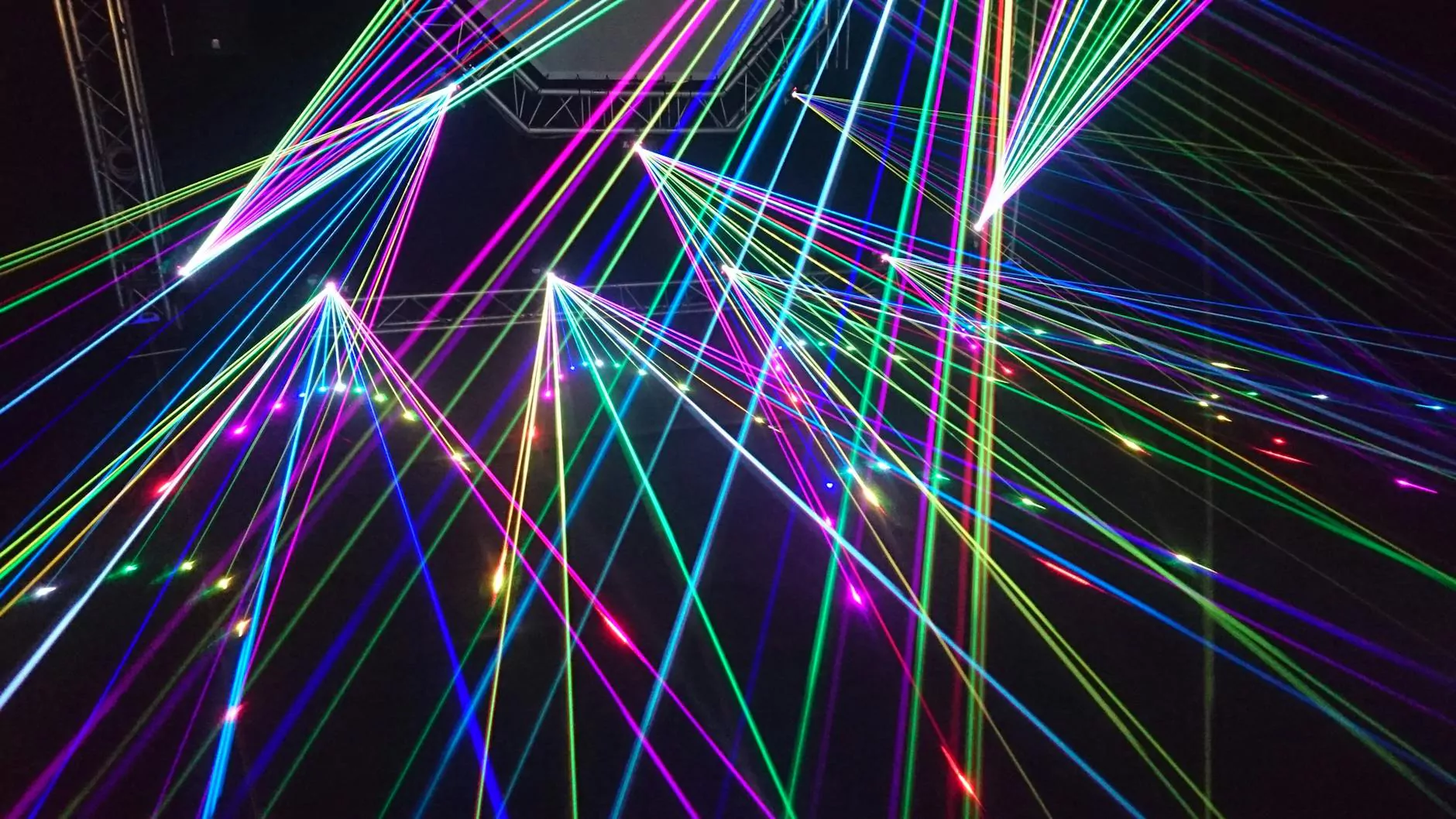
In the rapidly evolving world of Arts & Entertainment, the integration of innovative art forms has become essential to captivate audiences and redefine spatial experiences. Among these groundbreaking approaches, site-specific light art has emerged as a transformative force, offering artists an unparalleled medium to create immersive, contextual, and emotionally resonant installations. Such art not only elevates art galleries and entertainment venues but also fosters a deeper connection between viewers and the environment. This comprehensive guide explores the profound impact of site-specific light art, its techniques, significance, and how businesses like grimanesaamoros.com are leading the charge in this luminous revolution.
Understanding Site-specific Light Art: An Artistic Revolution
Site-specific light art is a form of contemporary art that involves creating tailored lighting installations designed exclusively for a particular location. Unlike traditional art that resides within the confines of a frame or canvas, this art form transforms real-world spaces—be it architectural facades, public parks, or indoor galleries—into dynamic canvases of light. The essence of site-specific light art lies in its symbiotic relationship with its environment; it considers the architecture, natural surroundings, cultural context, and spatial specificities to craft an experience that resonates deeply with viewers.
The Artistic Philosophy Behind Site-specific Light Art
The core philosophy of site-specific light art revolves around creating an artwork that is inseparable from its environment. Artists aim to enhance, complement, or even challenge the existing architecture or landscape through carefully calculated light interactions. This method results in an art piece that is not static but an evolving, contextual experience that engages viewers' senses, emotions, and intellect.
The Technical Aspects of Creating Site-specific Light Art
Crafting compelling site-specific light art entails a blend of artistic vision, technological expertise, and environmental understanding. Some notable technical components include:
- Advanced Lighting Technologies: Use of LED lights, laser projections, fiber optics, and programmable lighting systems to achieve desired visual effects.
- Environmental Considerations: Understanding how natural lighting, weather conditions, and surrounding architecture influence the installation.
- Interactive Elements: Incorporating sensors, motion detectors, or user interaction to make the art dynamic and participatory.
- Precision Planning: Detailed spatial analysis and computer modeling to ensure seamless integration and safety.
The Role of Artists and Innovators in Site-specific Light Art
Visionary artists like Grimanesa Amorós exemplify how site-specific light art can elevate cultural narratives while transforming public and private spaces. Their work reflects a fusion of art, science, and technology, pushing boundaries to craft luminous masterpieces that engage communities and challenge perceptions. Such artists invest significant effort into understanding the cultural, historical, and physical context of their sites, ensuring that each piece resonates authentically. Their mastery of lighting technology, spatial design, and artistic storytelling results in immersive environments that defy traditional art forms.
Impact of Site-specific Light Art on Business and Culture
The integration of site-specific light art into arts & entertainment spaces offers numerous benefits for businesses, communities, and cultural institutions:
- Enhanced Visitor Engagement: Light art creates memorable experiences, increasing foot traffic and dwell time at galleries, festivals, and public spaces.
- Cultural Revitalization: It promotes local identity and storytelling, fostering community pride and cultural vibrancy.
- Economic Growth: By attracting tourism and hosting spectacular light festivals, businesses thrive economically.
- Innovative Branding: Companies can leverage dynamic light installations for marketing, events, or corporate venues, positioning themselves as leaders in creative innovation.
Practical Applications of Site-specific Light Art in Modern Settings
The versatility of site-specific light art allows it to be utilized across various domains, including:
- Public Art Installations: Transforming city landmarks, bridges, and open spaces into luminous attractions.
- Architectural Enhancements: Highlighting the unique features of buildings and urban infrastructure with tailored lighting designs.
- Event and Festival Lights: Creating spectacular immersive experiences during cultural festivals, New Year celebrations, or art expos.
- Commercial and Gallery Exhibitions: Showcasing artworks within curated, environment-specific settings to evoke emotional responses.
- Environmental and Ecological Projects: Raising awareness about ecological issues through creative, light-based storytelling.
Case Study: The Artistic Masterpieces of Grimanesa Amorós
Among the leading figures in site-specific light art, Grimanesa Amorós stands out for her innovative, large-scale installations that revitalize urban and natural landscapes alike. Her works exemplify how light can be harnessed to forge emotional connections, celebrate cultural identity, and stimulate community dialogue.
For instance, her iconic sculptures, such as the Havana Silhouette or Peru's Sacred Land, seamlessly integrate technology and tradition, creating luminous storytelling vessels that draw viewers into a multi-sensory experience. Her meticulous attention to site-specificity transforms each project into a unique conversation between the artwork, the environment, and the viewer.
How Businesses and Artists Can Embrace Site-specific Light Art
Embracing site-specific light art requires a strategic approach:
- Understand the Site: Conduct comprehensive analyses of architecture, natural surroundings, and cultural significance.
- Collaborate with Experts: Partner with lighting designers, architects, and technology specialists to develop innovative concepts.
- Focus on Sustainability: Utilize energy-efficient lighting solutions and environmentally conscious practices.
- Engage the Community: Involve local stakeholders to ensure the artwork reflects and enriches community identity.
- Invest in Quality: Prioritize craftsmanship and technological robustness to ensure longevity and safety.
The Future of Site-specific Light Art: Innovations and Trends
The field of site-specific light art is poised for exciting developments, driven by advancements in technology and a growing emphasis on experiential art. Trends to watch include:
- Interactive and Participatory Installations: Incorporation of augmented reality (AR) and virtual reality (VR) to deepen engagement.
- Smart Lighting Technologies: Use of IoT-enabled lights to create responsive, adaptive displays that change with environmental inputs.
- Sustainable Practices: Adoption of solar-powered lighting systems and eco-friendly materials.
- Hybrid Art Forms: Combining site-specific light art with other disciplines like performance art, dance, or digital media for multi-layered experiences.
- Global Collaborative Projects: Cross-cultural initiatives that integrate local traditions into luminous storytelling.
Conclusion: Elevating Art and Business with Site-specific Light Art
Site-specific light art stands at the intersection of innovation, culture, and business, offering unparalleled opportunities to transform spaces and elevate experiences. By thoughtfully integrating lighting technology with contextual sensitivity, artists and entrepreneurs can forge powerful connections with audiences, promote cultural resonance, and stimulate economic vitality. Leading visionaries like Grimanesa Amorós exemplify the immense potential of this art form to redefine the landscape of arts & entertainment.
Whether through revitalizing urban landmarks, enhancing exhibition environments, or creating immersive public artworks, site-specific light art continues to inspire and innovate across the globe. Embrace this luminous frontier and watch as your space transforms into a captivating, living canvas that engages, inspires, and endures.


